Managing Google Ads without the right tools is like navigating a city without GPS. You might get there eventually, but you’ll waste time, money, and patience along the way. AI has changed that equation dramatically. Today, advertisers who leverage the right AI-powered tools don’t just save hours of manual work – they outperform competitors who are still doing things by hand.
But not all AI tools are created equal, and the market is flooded with options that promise a lot and deliver little. In this post, we break down the key categories of AI tools for Google Ads optimization, what they actually do well, and how to get the most from them.
1. AI-Powered Keyword Research and Structuring
Keyword research is the foundation of any successful Google Ads campaign, and it’s also one of the most time-consuming tasks a PPC specialist faces. Done manually, building a complete and clean semantic core for even a mid-sized business can eat up 10 to 20 hours. AI tools compress that to minutes.
The best AI keyword tools don’t just pull search volume data – they understand intent clustering, identify negative keywords proactively, and organize keywords into tightly themed ad groups. This is the backbone of a high Quality Score, which directly affects your cost per click and ad position.
What to look for:
- Automatic grouping based on semantic relevance (SKAG or STAG principles)
- Built-in negative keyword suggestions from the start
- Match type recommendations based on campaign stage
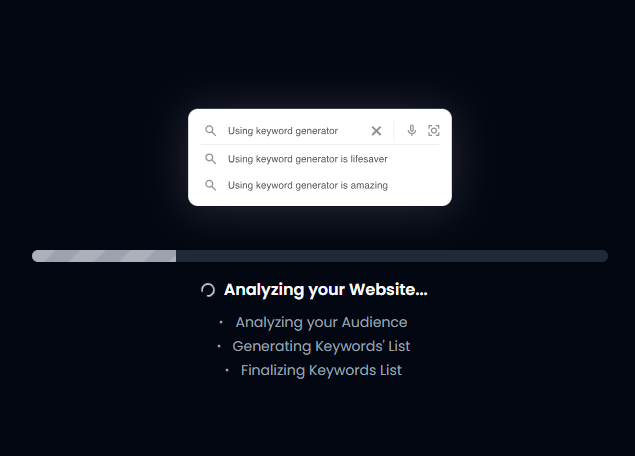
Tools like Optimyzee were built specifically around this challenge – generating a complete, relevant keyword structure for any business type and organizing it into properly themed groups, all validated before publishing.
2. Automated Bid Management
Bidding is where a lot of budget gets wasted – either by bidding too high and overpaying, or too conservatively and missing valuable traffic. Google’s own Smart Bidding strategies use machine learning to optimize bids in real time, factoring in signals like device, location, time of day, and user behavior.
The critical nuance here: automated bidding works best once your campaign has accumulated sufficient conversion data – generally a minimum of 5 conversions per month per campaign. Before that threshold, manual bidding gives you better control and lets you gather clean data without the algorithm guessing. Once you hit that volume, strategies like Target CPA or Maximize Conversion Value become genuinely powerful.
The mistake many advertisers make is switching to automated bidding too early, then blaming the AI when performance suffers. Give the algorithm enough data to work with, and it pays off.
3. AI Ad Copy Generation and RSA Optimization
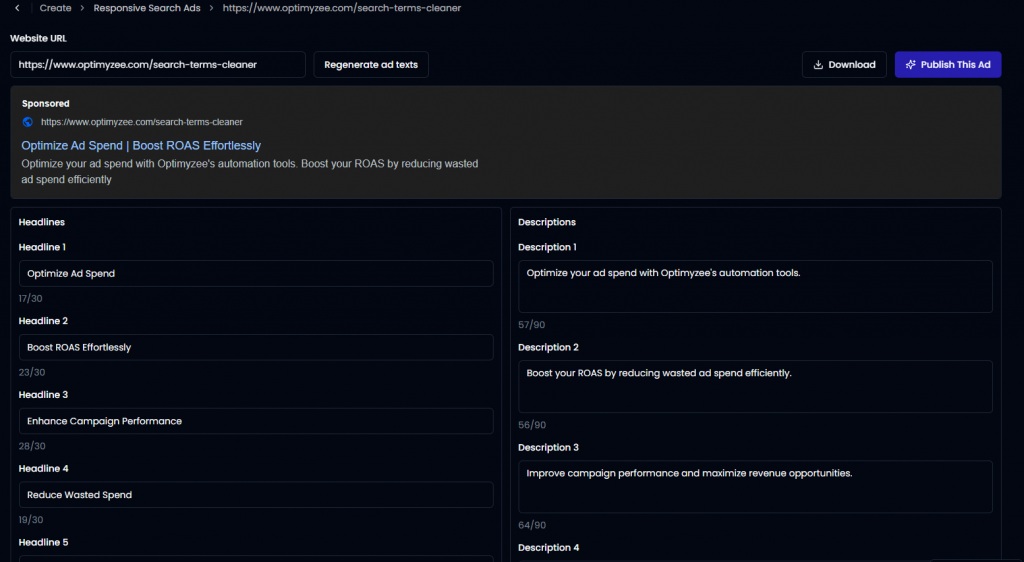
Responsive Search Ads (RSAs) are the standard format in Google Search campaigns. They’re built around AI – Google tests different headline and description combinations to find what performs best for different users. But that doesn’t mean you can just throw 15 random headlines in and walk away.
AI writing tools can help generate diverse, high-quality ad assets that cover different angles: features, benefits, urgency, social proof, and unique value propositions. The goal is to give Google’s algorithm enough variety to find winning combinations across different search intents.
Key practices for RSA optimization:
- Regularly audit asset performance ratings (Learning / Low / Good / Best)
- Replace Low-rated assets with fresh variants based on top performers
- Ensure every headline is meaningful in any combination – avoid context-dependent copy
- Pin sparingly – over-pinning defeats the purpose of RSA testing
Automated RSA auditing tools can flag underperforming assets across an entire account and suggest replacements, turning what would be a tedious manual review into a quick action list.
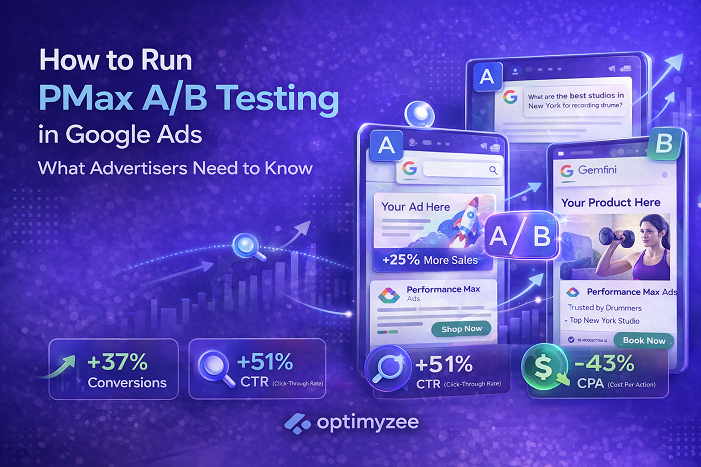
4. Performance Max and AI Campaign Management
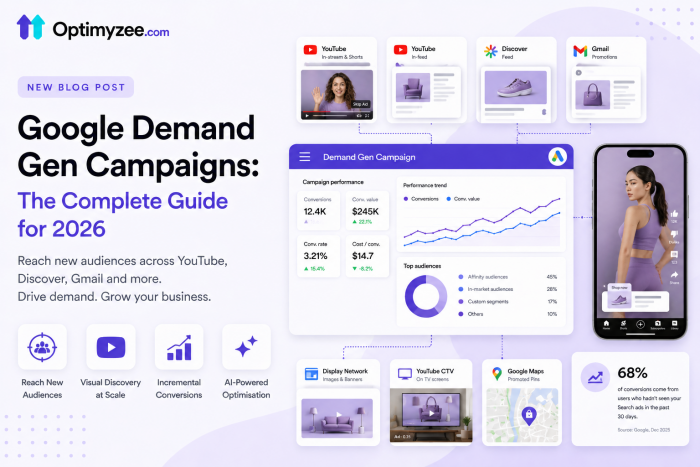
Performance Max (PMax) campaigns are Google’s most AI-driven campaign type, running ads across Search, Display, YouTube, Gmail, and Discovery from a single campaign. The algorithm handles placement, bidding, and creative combinations automatically – but it needs strong inputs to perform.
The quality of your asset groups, audience signals, and conversion goals directly shapes what the AI optimizes for. Vague goals produce vague results. Advertisers who spend time defining precise conversion actions, providing high-quality creative assets, and giving the campaign room to learn (typically 2 to 4 weeks) see significantly better outcomes.
Third-party AI tools can layer on top of PMax by providing better performance reporting, flagging anomalies faster than manual checks, and helping you understand which asset combinations are driving conversions across channels.
5. Search Term Analysis and Negative Keyword Automation
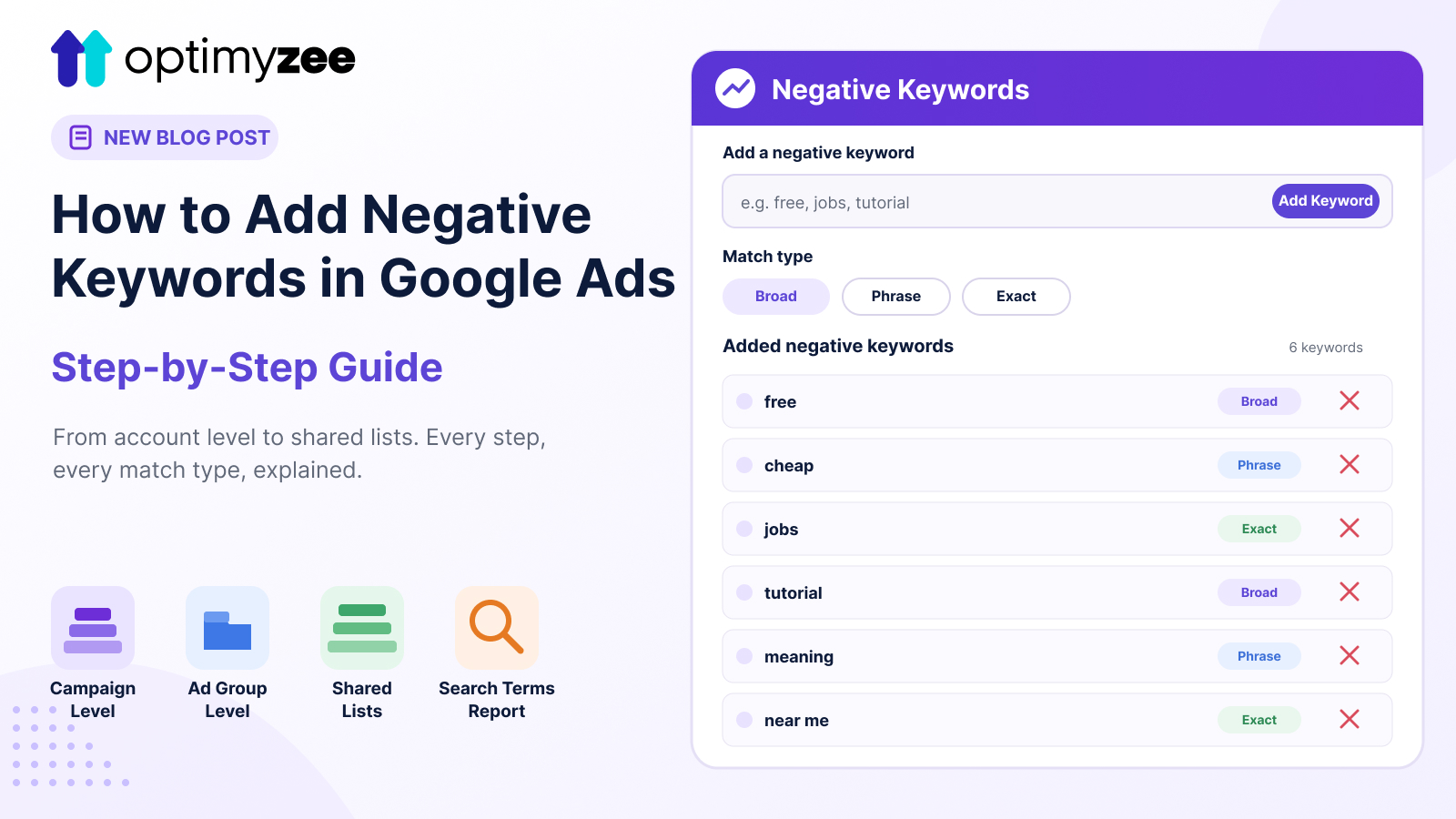
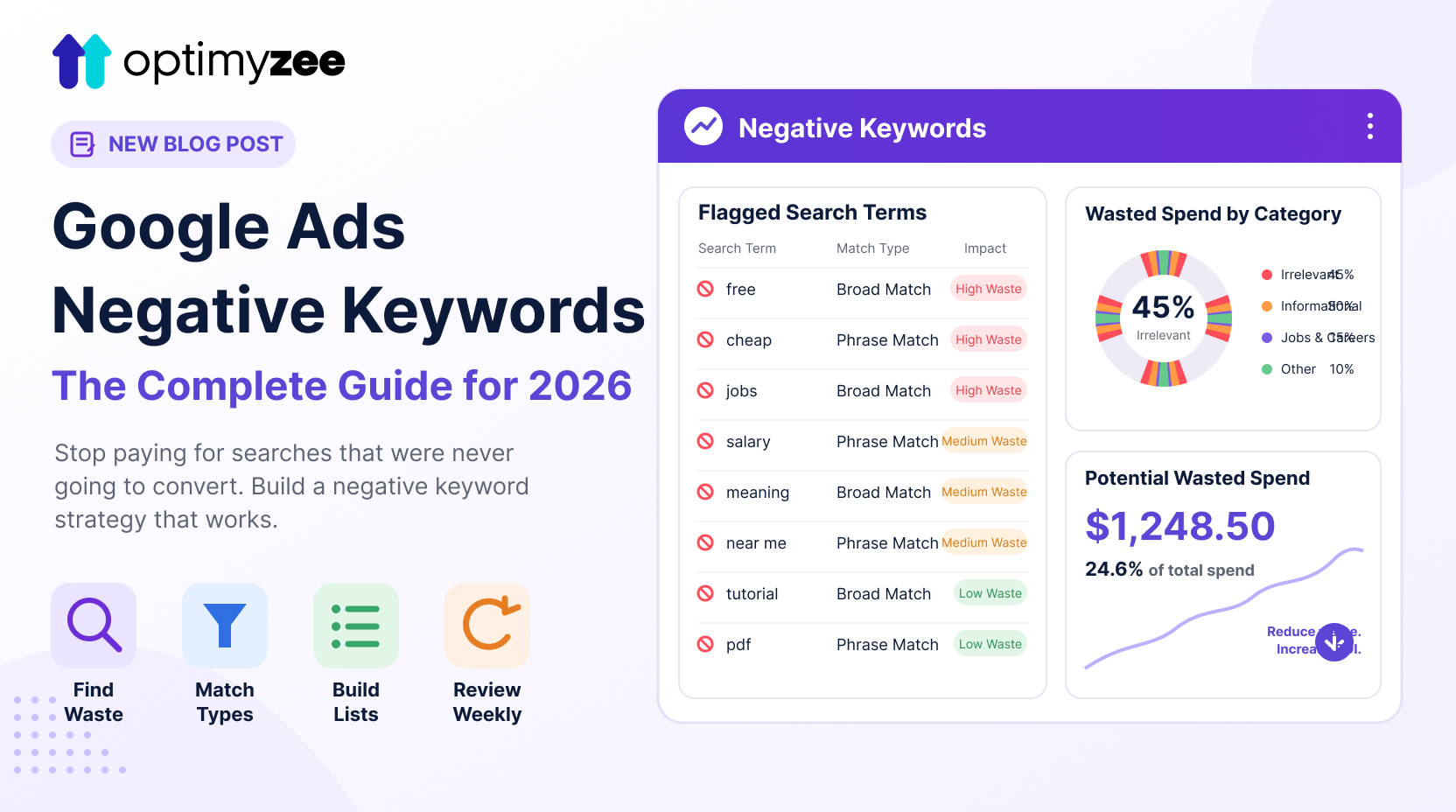
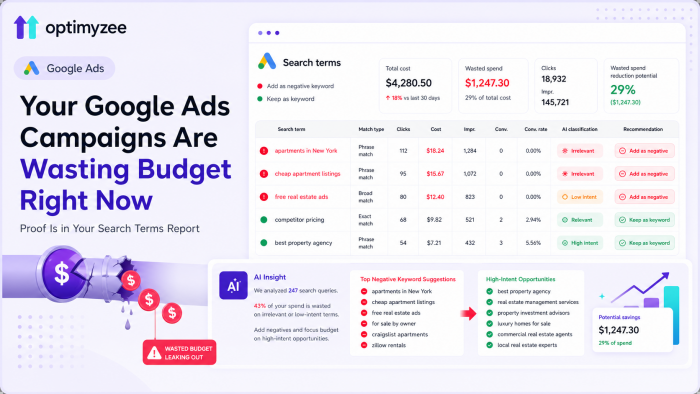
One of the most impactful – and most neglected – optimization tasks is search term review. In newly launched campaigns without an established negative keyword list, 50 to 70% of traffic can be irrelevant. That’s budget burning for zero return.
AI tools that automate search term analysis can continuously scan your account, identify patterns in wasted spend, and suggest negative keywords before the damage compounds. This is especially valuable for accounts running at scale, where manual review of search terms across dozens of campaigns becomes genuinely unfeasible.
The result is a steadily improving signal-to-noise ratio: more of your budget going to high-intent searches, fewer wasted clicks, and a lower cost per conversion over time.
The Bottom Line on AI Tools for Google Ads
AI tools don’t replace the expertise of a skilled PPC specialist – they amplify it. The strategic thinking still matters. So does the understanding of business goals, the judgment call on when to let automation run and when to intervene. What AI removes is the grunt work: hours of keyword mining, tedious search term reviews, manual bid calculations, and repetitive reporting.
The advertisers who win in 2026 aren’t those blindly handing campaigns over to automation. They’re the ones who understand how to direct it. Know what your AI tools are optimizing for, give them clean data to work with, and review performance regularly. That combination of human strategy and machine execution is what separates high-performing accounts from the rest.
Looking to streamline your Google Ads workflow without sacrificing quality? Optimyzee is built to handle the heavy lifting – from keyword structuring and ad creation to ongoing validation – so your campaigns are always set up to succeed.